
Edwards County Divorce Records
Edwards County divorce records are kept by the District Clerk at the courthouse in Rocksprings, Texas. To find a divorce case or request a copy of a Final Decree, you contact the District Clerk's office directly. Edwards County is one of the most rural and sparsely populated counties in Texas, located in the Texas Hill Country southwest of San Antonio. The county's official website is not accessible, so direct phone contact with the courthouse is the best way to get divorce records from this county.
Edwards County Overview
Edwards County District Clerk
The District Clerk in Rocksprings is the official custodian of all civil court records in Edwards County, including every divorce case filed here. Because Edwards County is extremely rural and small, the courthouse staff is limited. The most reliable way to get divorce records is to call the courthouse directly and speak with the District Clerk's office. They can tell you what records are on file and how to request copies.
Edwards County does not have an accessible county website at this time. The domain attempted during research either redirected or failed to load. If you need to reach the county government, try calling the Edwards County Courthouse in Rocksprings. The Texas Association of Counties may also have contact information for county offices.
For online records searches, the statewide re:SearchTX portal covers Texas district courts and may have some Edwards County records. Coverage for very small counties can be limited, especially for older cases. Check re:SearchTX first, and if the case is not there, contact the courthouse directly. For verification of a divorce in the state index, use the Texas DSHS Vital Statistics Section, which covers divorces from 1968 to present.
| Office | Edwards County District Clerk |
|---|---|
| Address |
Edwards County Courthouse P.O. Box 184 Rocksprings, TX 78880 |
| Hours | Monday through Friday, 8:00 AM to 5:00 PM |
| Statewide Search | re:SearchTX Portal |
Since no county-specific image was captured, the Texas courts statewide resource image is shown here.
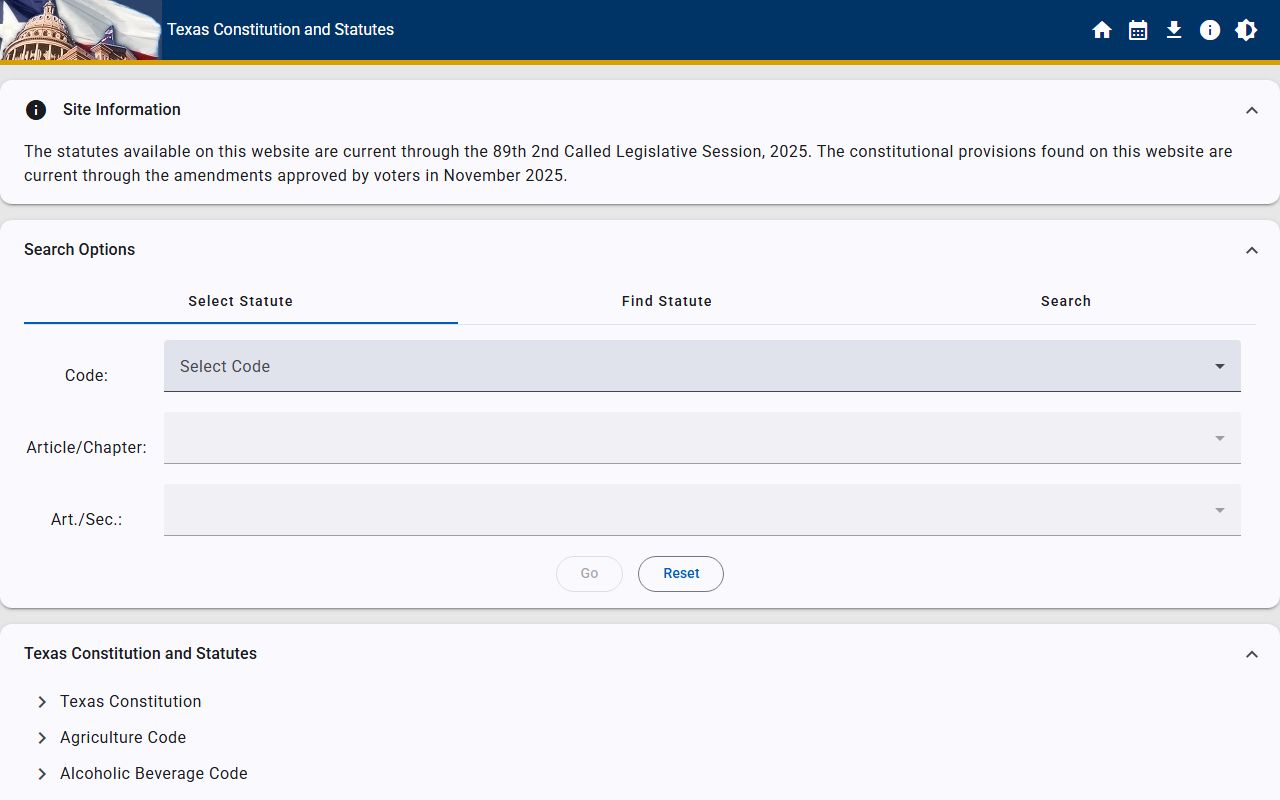
The Texas Family Code Chapter 6 sets the rules for divorce filings in Edwards County and across the state.
How to Search Edwards County Divorce Records
For Edwards County divorce records, begin with the statewide re:SearchTX portal. Search by party name or cause number to see if the case is indexed there. The portal is free to use. Coverage varies for small rural counties, so if the case does not come up, call the courthouse.
Call the Edwards County Courthouse in Rocksprings and ask for the District Clerk's office. Provide the full names of both parties and the approximate year of the divorce. Staff can confirm whether the case is on file and explain how to request copies. Mail-in requests are typically accepted. Write to the District Clerk at the mailing address above and include party names, date, and a money order or check for copying fees.
If you are researching an older case, ask the clerk whether those records are in storage or on microfilm. Rural counties sometimes have older records in off-site storage, and retrieval may take a day or two. The District Clerk can tell you what to expect for your specific request. Certified copies carry the court's official seal. They cost more than plain copies but are required for most legal uses after a divorce.
Note: The Texas DSHS Vital Statistics Section can confirm a divorce is in the state index for divorces since 1968, but they do not provide the actual decree. For the full case record, go to the Edwards County District Clerk.
Filing for Divorce in Edwards County
Divorce filings in Edwards County follow Texas state law. One spouse must have lived in Texas for six months and in Edwards County for at least 90 days before filing. That residency requirement is in Texas Family Code Section 6.301. You file the Original Petition for Divorce with the District Clerk in Rocksprings to open the case.
Texas allows no-fault divorce. The insupportability ground in Family Code Section 6.001 lets you file without proving anyone did anything wrong. It simply means the marriage has broken down with no real way to fix it. Most Texas divorces, including those filed in Edwards County, use this ground. Fault grounds such as cruelty, adultery, abandonment, and felony conviction are available if you need them.
After the petition is filed and the other party is served or signs a Waiver of Service, Texas requires a 60-day waiting period under Section 6.702. The court cannot grant the divorce until that period has passed. Exceptions exist for cases involving family violence. In a rural county like Edwards, court hearing dates may be scheduled infrequently, so plan your timeline by asking the District Clerk when hearings are typically set after the waiting period ends.
Texas is a community property state. Under Family Code Chapter 7, the court divides marital property in a just and right manner. Property owned before the marriage, or received by gift or inheritance and kept separate, stays with the original owner. All decisions on property, support, and children go into the Final Decree of Divorce.
What Edwards County Divorce Records Include
Edwards County divorce case files are kept permanently at the District Clerk's office. The file contains the Original Petition for Divorce, any temporary orders entered during the case, financial documents, agreements between the parties, and the Final Decree of Divorce. The decree is the primary document most people need. It spells out all the court-ordered terms: property division, child custody and support, spousal maintenance if any, and name change orders.
Most divorce records in Edwards County are public. You do not need to be a party to the case to request a search. Sealed records or records with special court orders protecting minors may be restricted. Ask the District Clerk what is available. Certified copies of the Final Decree are required for legal name changes, remarriage, updating Social Security or financial records, and many other purposes. Plain copies cost less but may not be accepted for legal transactions.
For basic confirmation that a divorce occurred, the Texas DSHS Vital Statistics Section maintains a statewide index of divorces since 1968. That index does not include the full decree. Only the Edwards County District Clerk can provide the actual case record.
Legal Resources for Edwards County Residents
Finding an attorney in Rocksprings is difficult due to the county's small size. Lawyers in nearby Uvalde, Del Rio, and Kerrville often handle cases for Edwards County residents. Use the State Bar of Texas lawyer search at texasbar.com to find licensed family law attorneys in the region. Some are willing to travel or handle cases remotely for clients in rural counties.
For free self-help resources, Texas Law Help offers step-by-step guides and all required forms for Texas divorce cases. If your case is uncontested, the Supreme Court Approved Divorce Forms at txcourts.gov can get you through the process without an attorney. Legal aid organizations serving South and West Texas may also be able to assist low-income residents from Edwards County with family law matters.
Cities in Edwards County
Edwards County's county seat is Rocksprings. The county has a very small population spread across a large rural area. All divorce cases from Edwards County are filed at the District Clerk's office in Rocksprings.
No cities in Edwards County currently meet the population threshold for a dedicated city page on this site.
Nearby Counties
These counties border Edwards County in the Texas Hill Country and South Texas region. Check your county of residence before filing to make sure you file in the right place.