
Hardin County Divorce Records
Hardin County divorce records are kept by the District Clerk in Kountze. If you need to find a divorce case filed in this county, you can search by name or case number at the courthouse. The District Clerk is the official custodian of all court records in Hardin County, including divorce filings, final decrees, and related court documents. You can request copies in person or by mail. Cases from recent years may also appear on statewide court search tools. This page covers how to find and request Hardin County divorce records.
Hardin County Overview
Hardin County District Clerk
The District Clerk's office in Kountze handles all divorce records for Hardin County. When a divorce is filed here, the clerk receives the petition, assigns a case number, and stores all documents as the case moves forward. When a final decree is signed by the judge, that document goes into the case file too. All of this becomes part of the public court record.
Hardin County is in Southeast Texas, near Beaumont and the Big Thicket region. The county seat is Kountze, which is where the main courthouse sits. If you live in Silsbee, Lumberton, Sour Lake, or any other part of Hardin County, your divorce case would go through this court. The 88th District Court handles family law matters for the county.
| Office | Hardin County District Clerk |
|---|---|
| Address |
Hardin County Courthouse 300 Monroe Street Kountze, TX 77625 |
| Phone | (409) 246-5185 |
| Hours | Monday through Friday, 8:00 AM to 5:00 PM |
| Judicial District | 88th District Court |
Searching Hardin County Divorce Records
To find a divorce record in Hardin County, you can go to the courthouse in Kountze and ask the District Clerk to search by name. You will need at least one full name from the case. An approximate year helps narrow things down. If you have the cause number, that is the fastest way to pull up a file.
The statewide re:SearchTX system covers courts across Texas and may have Hardin County cases in its database. Not all older cases appear online, so for records going back many years, a direct request to the clerk's office is the safest approach. The clerk can search by name and pull up whatever is on file.
Mail requests are also accepted. Send a written request with the full names of both parties, an approximate date of divorce, and your contact information. Include a self-addressed stamped envelope and a check or money order for copy fees. The clerk will search the records and send back what they find.
The Texas Department of State Health Services maintains a divorce verification index going back to 1968. This index at dshs.texas.gov can confirm whether a divorce was granted in Texas and in which county, though it does not include the actual decree. For the full file, you still need to contact the Hardin County District Clerk.
The Texas Judicial Branch at txcourts.gov provides court forms and statewide resources for family law cases, including divorce filings in Hardin County.
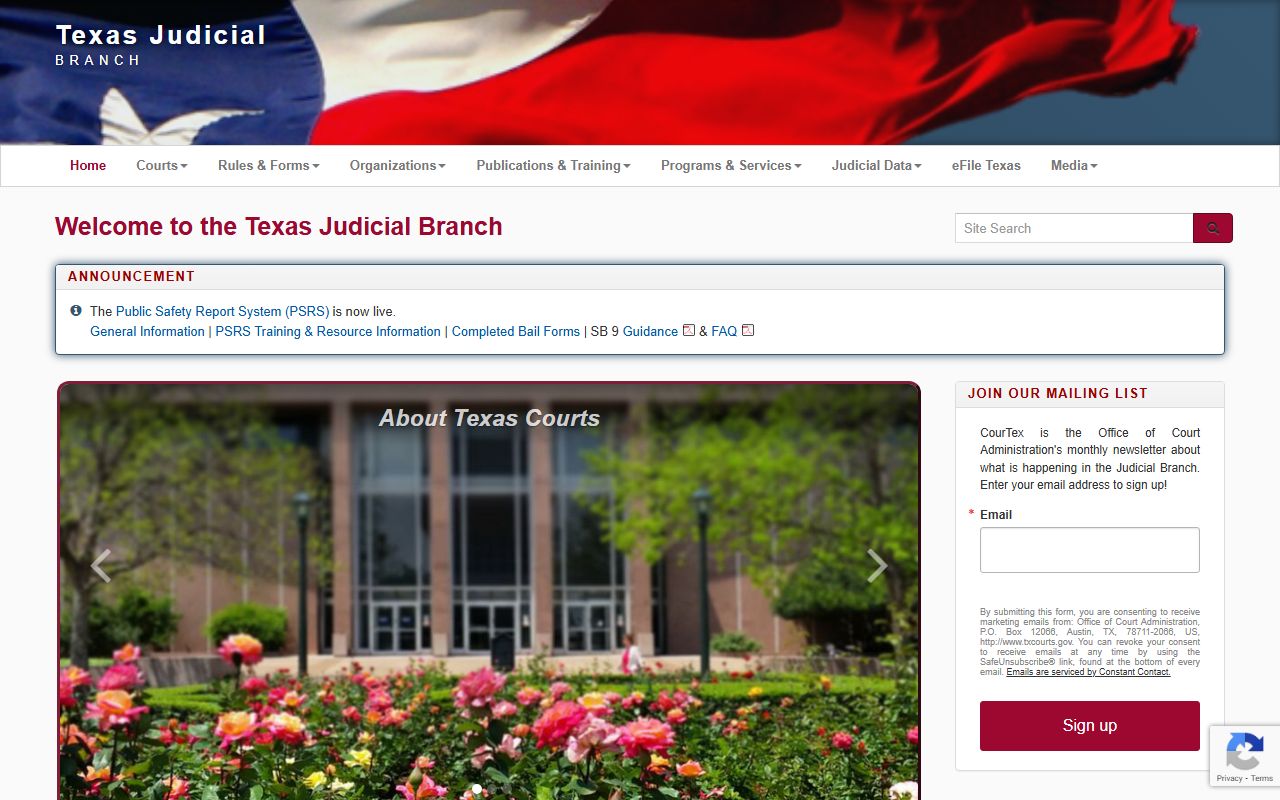
The judicial branch site includes approved divorce forms and links to county court resources across Texas.
Divorce Filing in Hardin County
To file for divorce in Hardin County, at least one spouse must meet the residency rule. Under Texas Family Code § 6.301, one party must have lived in Texas for six months and in Hardin County for at least 90 days before filing.
The process starts when the petitioner files an Original Petition for Divorce with the District Clerk. A filing fee is required at that time. The other spouse is then served with the petition, either by a constable or process server, or by signing a Waiver of Service. Texas law under Texas Family Code § 6.702 requires a minimum 60-day waiting period from the date of filing before the judge can sign the final decree. Exceptions may apply in cases involving family violence.
If both spouses agree on all terms, they can file an Agreed Final Decree of Divorce and ask the judge to sign it at a short prove-up hearing. If the case is contested, it may go to mediation or trial. Either way, once the judge signs the decree, the District Clerk records it and it becomes a permanent part of the public record.
Texas is a community property state. Under Texas Family Code Chapter 7, the court divides marital property in a way that is just and right. Community property is generally anything both spouses earned or acquired during the marriage. Separate property is what each person owned before marriage, or received as a gift or inheritance, as long as it stayed separate.
Hardin County Divorce Fees
Filing fees in Hardin County follow standard Texas District Court rates set by state law. The exact amount depends on the type of case. Cases with children typically cost a bit more than those without. The fee covers court costs, statutory surcharges, and administrative expenses. Contact the District Clerk directly to confirm the current fee before you file.
For copies of divorce records, the standard rate is $1 per page. Certified copies require an additional $5 certification fee per document. People who cannot afford to pay court costs may request a fee waiver by filing a Statement of Inability to Afford Payment of Court Costs. This form is available at txcourts.gov and at the clerk's office.
Note: Always confirm the current fee schedule with the Hardin County District Clerk before submitting payment, as rates can change.
What Hardin County Divorce Records Include
A divorce file in Hardin County contains all the documents that were filed during the case. The Original Petition for Divorce is the first document. It states who is filing, what they are asking for, and the grounds for the divorce. Texas allows no-fault divorce under Texas Family Code § 6.001, based on insupportability. Fault grounds like cruelty, adultery, or abandonment are also an option.
The Final Decree of Divorce is the most important document in the file. It is the court order that ends the marriage. It spells out all the terms the court approved: who gets which property, any debt assignments, conservatorship and possession arrangements for children, child support amounts, and spousal maintenance if ordered. Most people need a certified copy of the final decree for legal purposes like name changes, remarriage, or dividing retirement accounts.
Most records in the District Clerk's file are public. You do not need to be a party to the case to request copies. Some financial documents may be sealed if a court order was entered. Information about minor children may also have limited access in some cases.
Note: Divorce verification letters from DSHS confirm basic facts about a divorce but do not include the full decree or case file contents.
Legal Help in Hardin County
Several organizations offer free or reduced-cost legal help to residents of Hardin County. Lone Star Legal Aid serves Southeast Texas and handles family law cases for income-qualifying applicants. They can help with divorce, custody, and support matters. Call (800) 733-8394 or visit lonestarlegal.org.
The State Bar of Texas runs a lawyer referral service at (800) 252-9690. You can also search for attorneys at texasbar.com. Self-help guides and court forms are available free at texaslawhelp.org. All official Texas divorce forms are also at txcourts.gov.
Nearby Counties
These counties border Hardin County. Each has its own District Clerk handling divorce records. File in the county where you or your spouse live.