
Find Divorce Records in Coleman County
Coleman County divorce records are maintained by the District Clerk's office in the city of Coleman, Texas. Anyone who needs to look up a divorce case filed in this county, get a certified copy of a Final Decree of Divorce, or verify that a divorce took place can contact that office directly. Coleman County is a small rural county in Central West Texas with a modest court docket. The District Clerk handles all case files from filing through final judgment, and staff can assist with both old and recent records. You can visit in person or submit a written request by mail. The statewide re:SearchTX system may also have case information for this county.
Coleman County Overview
Coleman County District Clerk
The District Clerk's office in Coleman handles all divorce records for the county. This office is your first point of contact when you need a divorce case file, a copy of a decree, or confirmation that a divorce was granted here. The clerk keeps records going back many years, though very old files may require additional time to locate.
Coleman County is in the 42nd Judicial District. The District Court handles civil and family law matters, including divorce cases. When you file for divorce in Coleman County, the petition goes to this office. All documents filed during the case, from the original petition through the Final Decree of Divorce, are stored by the District Clerk.
Staff can search for records by party name or cause number. If you have the case number, the search is faster. If you only have a name and rough year, staff can still look. Bring your ID if you visit in person. Mail requests are accepted too, but you should call ahead to confirm what identification or information is needed and what fees apply.
| Office | Coleman County District Clerk |
|---|---|
| Address |
Coleman County Courthouse 100 W. Liveoak Street Coleman, TX 76834 |
| Hours | Monday - Friday, 8:00 AM to 5:00 PM |
| Judicial District | 42nd Judicial District |
The Coleman County website lists contact information for county offices, though the county site has had periods of limited availability. Call ahead to confirm hours and procedures before making a trip to the courthouse.
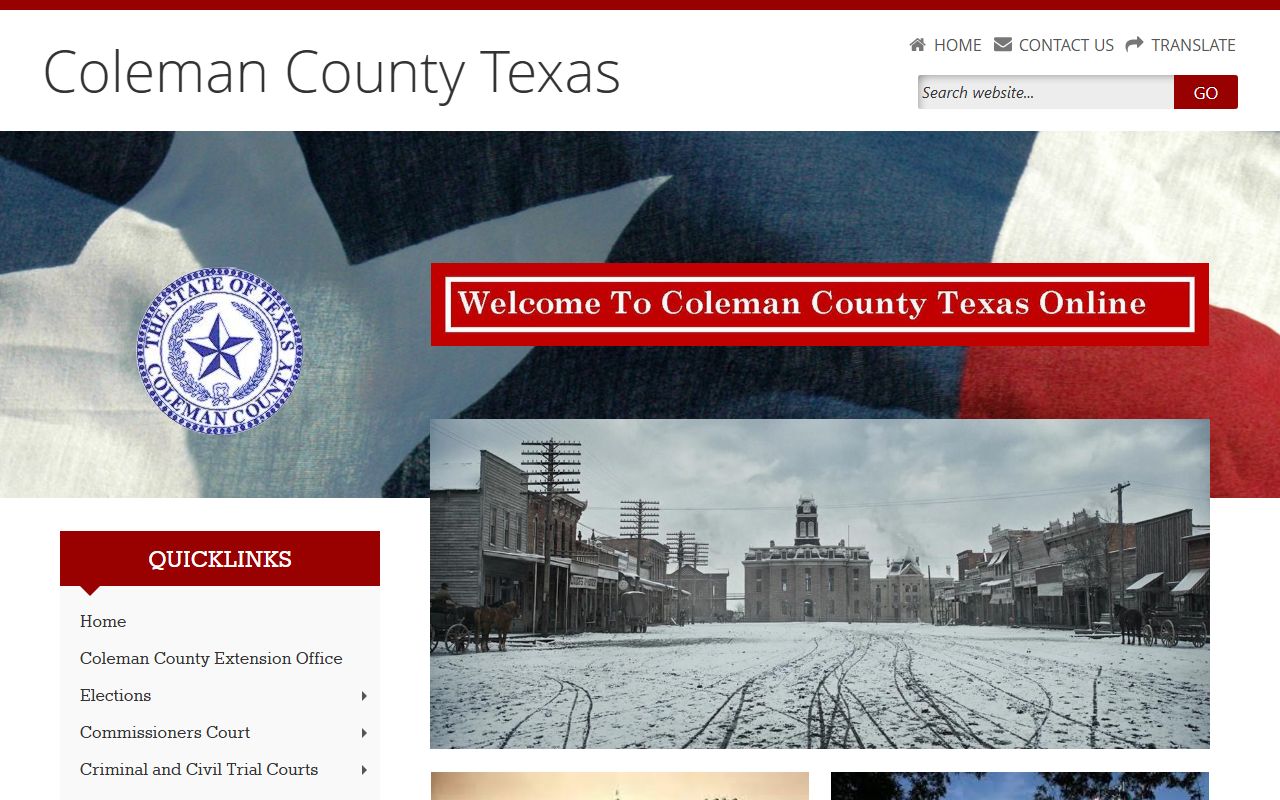
The Coleman County courthouse in Coleman houses the District Clerk's office where all divorce records are maintained.
How to Search Coleman County Divorce Records
Searching divorce records in Coleman County works best when you start with the right information. The more detail you have, the faster the search goes. At minimum, you need a full name. A case number speeds things up considerably.
The Texas re:SearchTX system is the statewide court case search portal maintained by the Texas Office of Court Administration. You can search case information from many Texas counties without visiting the courthouse. The system searches by party name or cause number and shows docket entries and case status. Coverage for small counties may not be complete, especially for older cases.
For a verified, certified copy of a divorce decree, you need to go directly to the District Clerk in Coleman. The online systems show case information, not actual documents. Once you have the cause number from an online search, you can contact the clerk to request copies.
You can also verify that a Texas divorce occurred through the Texas Vital Statistics verification service. DSHS maintains a statewide index of divorces from 1968 to present. A verification letter from DSHS shows names, county, and date but not the full decree.
Note: For genealogical research or very old divorce records, contact the District Clerk directly. Some older files may be on microfilm or in off-site storage.
Divorce Filing in Coleman County
Divorce cases in Coleman County follow the procedures set out in Texas Family Code Chapter 6. All Texas counties follow the same basic rules, though small counties like Coleman may have fewer resources for self-represented litigants than larger urban courts.
The residency requirement under Texas Family Code § 6.301 applies here just as anywhere else in the state. One spouse must have lived in Texas for six months and in Coleman County for at least 90 days before the petition is filed. If that standard is not met, the court cannot take jurisdiction over the case.
Texas allows no-fault divorce under Family Code § 6.001, which uses the ground of insupportability. This simply means the marriage has broken down due to conflict or discord with no reasonable expectation of reconciliation. No one has to prove fault. Fault-based grounds such as cruelty, adultery, abandonment, or felony conviction also remain available under the code.
Texas law under Family Code § 6.702 requires a mandatory 60-day waiting period after the petition is filed. The judge cannot sign off on the divorce before that time runs out, except in cases involving family violence. This applies whether the case is agreed or contested.
When children are involved, the divorce decree will address conservatorship, possession schedules, and child support as required by Family Code Chapter 153. Property is divided under community property rules established in Chapter 7. The court divides marital assets in a way it finds just and right, with each spouse generally keeping their separate property.
Approved divorce forms are available at txcourts.gov. If you are handling the case without a lawyer, TexasLawHelp.org has free guides and forms to help you through the process step by step.
What Coleman County Divorce Records Include
A Coleman County divorce file contains every document filed with the court from start to finish. The Original Petition for Divorce is first. It names both parties, states the grounds, and outlines what the filing spouse is seeking. After that come service documents, any responses or counterclaims, temporary orders, and settlement agreements.
The Final Decree of Divorce is the key document most people need. It is the court's signed order ending the marriage. The decree covers property division, any spousal support, and if children are involved, all conservatorship and child support terms. Getting a certified copy of this decree is often required for name changes, Social Security matters, loan applications, and remarriage in other jurisdictions.
Most divorce records in Coleman County are public. You do not have to be a party to the case to ask for copies. Fees apply for plain copies and certified copies, with certified copies costing more per page. Certain documents, like financial records or items related to minor children, may be restricted or sealed by court order.
Legal Help for Coleman County Residents
Finding a divorce attorney in a small county can take more effort than in a major city. The State Bar of Texas lawyer referral service at texasbar.com lets you search by location and practice area. You can often find attorneys in nearby larger cities who handle Coleman County cases.
For people who cannot afford an attorney, West Texas Legal Services and similar regional legal aid organizations provide help to low-income residents. Call ahead to confirm eligibility and service areas. TexasLawHelp.org offers free self-help materials including forms, guides, and videos on Texas divorce law. Court forms approved by the Texas Supreme Court are free at txcourts.gov.
The Texas courts website also lists resources for self-represented parties and explains the general process for family law cases across all Texas courts.
Cities in Coleman County
Coleman County is a rural county in Central West Texas. The city of Coleman serves as the county seat and is home to the District Court. All divorce filings for the county are processed in Coleman.
Other communities in Coleman County include Santa Anna and Valera. None of these communities meet the population threshold for a dedicated city page. All divorce cases in the county are handled through the Coleman County District Court.
Nearby Counties
These counties share borders with Coleman County. File divorce in the county where you or your spouse lives to meet Texas residency requirements.