
Access Hardeman County Divorce Records
Hardeman County divorce records are filed with and kept by the District Clerk in Quanah. This North Texas county handles all family law cases through its District Court. If you need to find a divorce case, get a copy of a final decree, or verify a divorce filed in Hardeman County, the District Clerk at the Quanah courthouse is the right contact. Records can be accessed in person or through the statewide re:SearchTX portal online. All divorce case files are stored permanently at the courthouse.
Hardeman County Overview
Hardeman County District Clerk
The District Clerk in Quanah is the official custodian of all divorce records in Hardeman County. The office is in the county courthouse and handles case lookups, copy requests, and certified document issuance. Staff can search records by name or cause number. All divorce decrees and related court orders are kept permanently on file.
Hardeman County is a rural North Texas county. Quanah serves as the county seat. The county's official website was not accessible during research due to DNS issues, so the best way to get current contact information, hours, and fee schedules is to call the courthouse directly. Alternative contact information may be found through the Texas Association of Counties or the Texas Judicial Branch website at txcourts.gov.
For online case searches, the statewide re:SearchTX portal covers many Texas counties and lets you look up cases by party name or cause number without visiting the courthouse. It is a free public resource. For older records or full file access, you will need to contact or visit the Quanah courthouse directly.
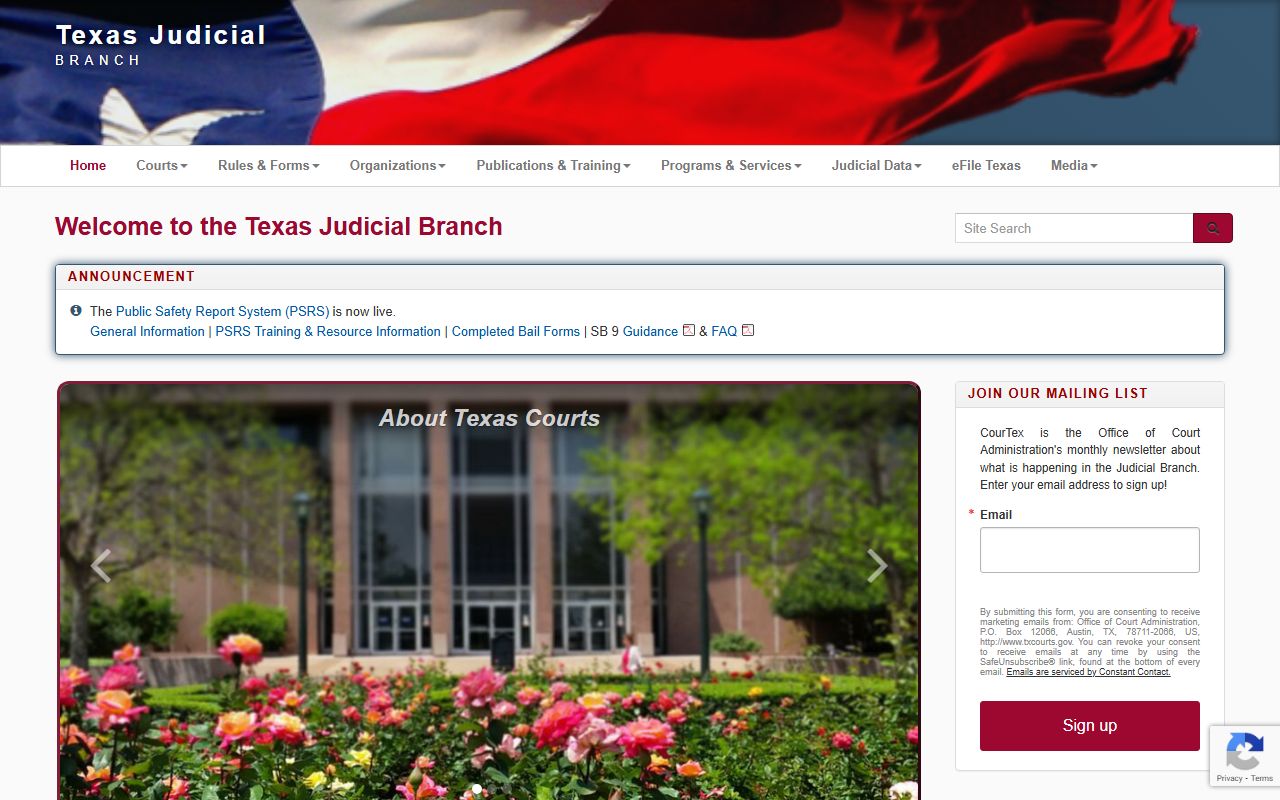
The Texas Judicial Branch provides resources and online tools for accessing court records across the state, including Hardeman County divorce cases through the re:SearchTX portal.
| Office | Hardeman County District Clerk |
|---|---|
| Address |
Hardeman County Courthouse 300 Main Street Quanah, TX 79252 |
| Hours | Monday through Friday, 8:00 AM to 5:00 PM |
How to Search Hardeman County Divorce Records
Looking for a divorce record in Hardeman County? You have two main options: go in person to the Quanah courthouse, or search online through the statewide re:SearchTX portal. For a small rural county, the courthouse is the most direct option, particularly for older cases or when you need actual copies of documents.
Start with the re:SearchTX portal if you want a quick online check. The system is run by the Texas Office of Court Administration and is free to use. Enter a party name or cause number. The portal shows basic case information, filing dates, and docket entries for participating counties. If the case does not appear online, call the Hardeman County District Clerk in Quanah for a manual search.
To visit in person, go to the courthouse at 300 Main Street in Quanah. Bring the full names of both parties and the year the case was filed. A cause number speeds things up but is not required. The Clerk can search by name and pull the file for you. Ask about the current fee schedule, since plain and certified copies cost different amounts.
The Texas DSHS has a statewide divorce verification service at DSHS Vital Statistics. It covers divorces reported to the state since 1968. A verification letter confirms names, county, and date. It does not include the full case record or a copy of the decree.
Divorce Filing Process in Hardeman County
Filing for divorce in Hardeman County means submitting an Original Petition for Divorce at the District Clerk's office in Quanah. Every document filed from that point forward becomes part of the permanent case file. Texas state law under Texas Family Code Chapter 6 governs the entire process.
Residency rules apply before you can file. Under Texas Family Code § 6.301, you or your spouse must have lived in Texas for six months and in Hardeman County specifically for the 90 days right before you file. Meet both time periods, then file.
No-fault divorce is available under Texas Family Code § 6.001. The ground is insupportability, meaning the marriage has broken down due to conflict or discord with no reasonable expectation of working things out. You do not have to prove fault. Most divorces in Hardeman County and across Texas use this ground. Fault grounds like cruelty under § 6.002, adultery under § 6.003, and abandonment under § 6.005 remain available if they apply.
After the petition is filed and the other spouse is served or signs a Waiver of Service, the mandatory 60-day wait begins. Texas Family Code § 6.702 requires at least 60 days to pass before any divorce can be granted. There is an exception for family violence cases. When both parties agree on all terms and the wait is over, the judge can sign the final decree.
Tip: Free standardized divorce forms approved by the Texas Supreme Court are available at txcourts.gov. These work for uncontested divorces with and without children.
Community property rules govern how property is divided. Under Texas Family Code Chapter 7, the court divides marital property in a just and right way. What each spouse owned before marriage, or received as a gift or inheritance and kept separate, is generally not subject to division.
What Hardeman County Divorce Records Include
Divorce records at the Hardeman County District Clerk include the full case file from beginning to end. The Original Petition is the first document. It names both parties and states what the petitioner wants from the divorce. Any response from the other spouse, along with proof of service or a Waiver of Service, goes in the file. Temporary orders and any mediated agreements are also part of the record.
The Final Decree of Divorce is the key document. It is the signed court order that ends the marriage. It covers all the terms: property and debt division, child conservatorship if applicable, the possession and access schedule, child support, and any spousal maintenance ordered. You need a certified copy of the decree for legal actions like changing your name, applying for government benefits, or proving eligibility to remarry.
Hardeman County divorce records are public. You do not have to be a party to ask for copies. Some financial documents in a case, like tax returns or detailed asset statements, may be sealed. Records about minor children may have limited access. The Clerk can tell you what is available in the specific file you are looking for.
Legal Help for Hardeman County Residents
If you need legal help with a divorce in Hardeman County, resources are available through legal aid organizations and online tools. Private attorney referrals are also available through the State Bar of Texas.
Lone Star Legal Aid covers North Texas and may serve Hardeman County residents who qualify for free legal assistance based on income. Call (800) 733-8394 or visit lonestarlegal.org to check your eligibility. They handle divorce, custody, and support cases for qualifying individuals at no cost.
The State Bar of Texas has a referral service at (800) 252-9690 and an online search at texasbar.com. Plain-language divorce guides are free at texaslawhelp.org. All Supreme Court approved court forms for uncontested divorces are available free at txcourts.gov.
Communities in Hardeman County
Hardeman County includes Quanah and a few other small communities. All divorce cases in the county are handled through the District Court in Quanah, regardless of where in the county you live.
No communities in Hardeman County meet the population threshold for a dedicated city page. Quanah is the largest town and the only courthouse location for divorce filings in Hardeman County.
Nearby Counties
These North Texas counties border Hardeman County. File your divorce in the county where you have lived for the past 90 days. Check your specific address if you are near a county line.